From Workdays to Weekends: Making Nutrition Part of Everyday Life
Updated: Sep 27
Wellness is often presented as something that requires extra time, extra planning, and a perfect routine. In reality, most people are already trying to fit health into lives that are full — work, family, commuting, exercise, travel, and the everyday demands that rarely leave much open space.
At PICNELT, we take a more practical view. Everyday wellness should not feel separate from real life. It should fit into the routines people already have, whether that means taking a supplement with breakfast before a busy morning, staying consistent with hydration through a long workday, keeping active after hours, or creating a calmer rhythm at the end of the day. The most sustainable habits are often the ones that feel simple enough to repeat.
Wellness at Work
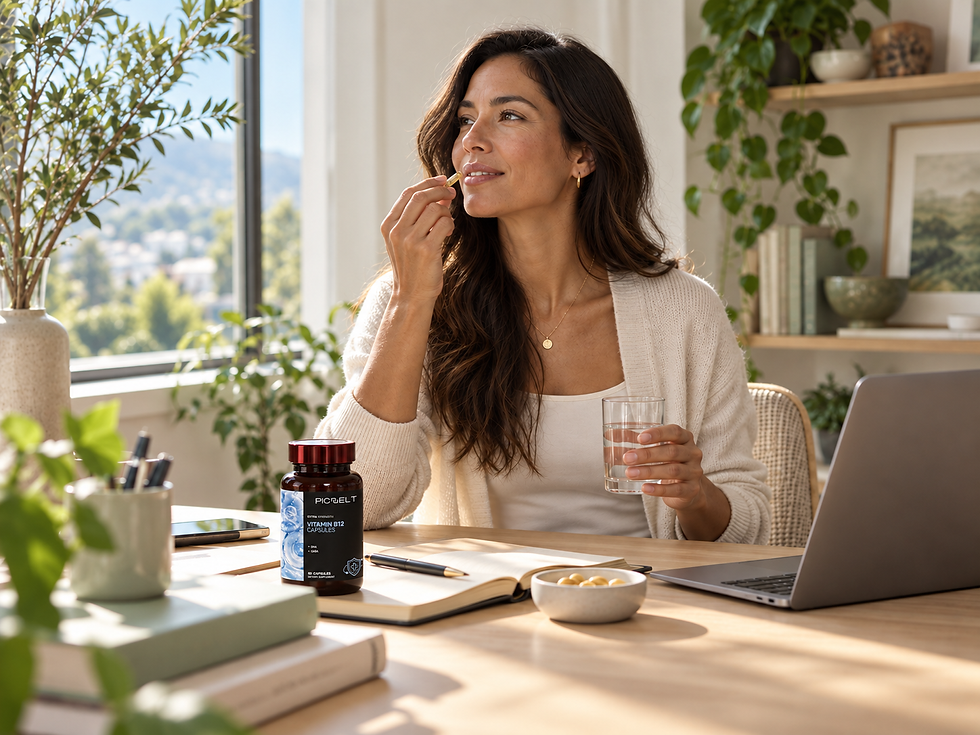
For many people, the modern workday is one of the biggest influences on daily health. Long hours at a desk, frequent screen time, meetings, commuting, deadlines, and travel can all shape how people think about energy, focus, recovery, and overall wellbeing.
That does not mean every workday needs a complicated wellness routine. In fact, the opposite is often more realistic. A few simple habits — eating regularly, staying hydrated, taking short movement breaks, and keeping daily nutrition consistent — can be easier to maintain when they are connected to something people already do.
This is also where nutritional needs can become more personal. Some people focus on foundational nutrients, while others are more interested in everyday vitality, antioxidant support, or ingredients that fit high-demand lifestyles. The point is not to turn wellness into another task. It is to make healthy choices easier to carry through a busy day.
Nutrition for Active Days
Movement is another part of daily life that looks different for everyone. For one person, it may be a structured gym session. For another, it could be a morning walk, a bike ride after work, a weekend hike, or simply making an effort to move more throughout the day.
As activity becomes more consistent, nutrition naturally becomes part of that conversation. Active adults may pay more attention to minerals, energy metabolism, recovery, and the nutritional habits that support an active routine over time. But those habits do not need to be limited to training days.
A sustainable wellness routine should still make sense on a quiet Tuesday, a busy Thursday, or a long weekend outdoors. That is what makes it part of a lifestyle rather than a temporary program.
The Habits We Build at Home
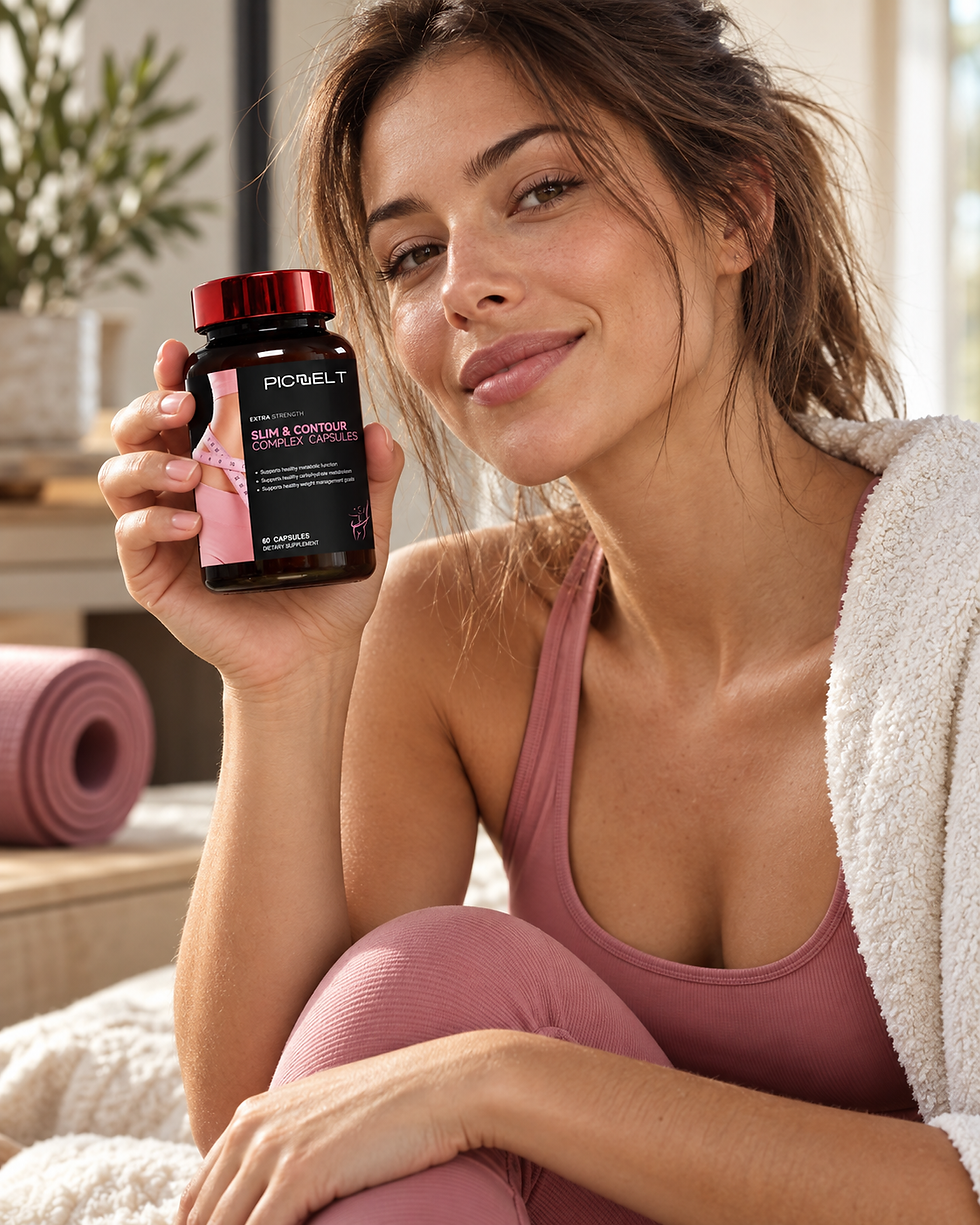
Home is where many wellness habits become automatic. A supplement bottle beside the coffee machine. A weekly organizer prepared in advance. A couple sharing the same morning routine. Parents and adult children talking more openly about nutrition, healthy aging, and how to stay active over time.
These small moments may not look dramatic, but they are often where consistency actually happens.
For many consumers, supplements are becoming less about responding to one specific concern and more about supporting how they want to feel and function over the long term. Daily vitality, healthy aging, antioxidant nutrition, movement, and maintaining a balanced routine are increasingly part of the same conversation.
That shift matters because it makes wellness feel less reactive and more integrated into everyday life.
Slowing Down at the End of the Day
Evening routines have become just as important as morning ones. After a day of work, notifications, commuting, exercise, and family responsibilities, slowing down is not always automatic.
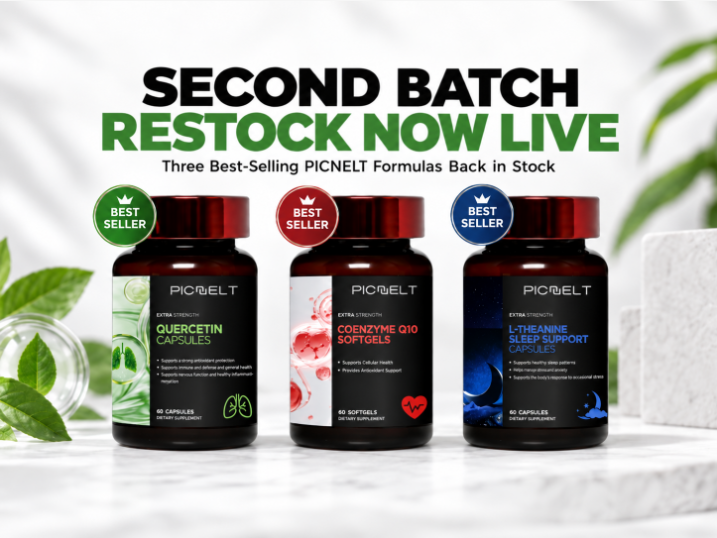
For some people, that means stepping away from screens earlier, taking a warm shower, reading, dimming the lights, or preparing for the next day before bed. Others may choose to make ingredients such as L-theanine or magnesium part of an evening nutrition routine.
The value of these habits is not in forcing the body into a particular state. It is in creating a more consistent transition from activity to rest.
That idea is especially relevant in modern wellness, where people are not only thinking about what helps them get through the day, but also about how they end it.
Wellness That Moves With Real Life
No two days look exactly the same. Monday might start with an early meeting. Wednesday might include a workout after work. Friday evening may be slower. Sunday might be about family, meal preparation, or resetting for the week ahead.
That is why everyday wellness needs to be flexible. A routine does not have to be perfect to be useful. It simply needs to be realistic enough to return to.
PICNELT develops nutrition around that idea. From daily vitality and antioxidant support to active lifestyles, healthy aging, and evening wellness, our goal is to create products that can fit naturally into real routines instead of asking people to build their lives around supplements.
Because wellness is rarely defined by one perfect meal, one workout, or one carefully planned day. More often, it is shaped by the choices people come back to — at work, at home, in motion, and in the quieter moments in between.
Nature-Sourced. Science-Led.


Comments